Commercial Cleaning in Plymouth, MA: Straight Answers for Offices, Clinics and Churches
How often to clean, what’s included, what it costs and how to choose a company — a plain-English guide for Plymouth offices, medical practices and churches.
What to clean, what to disinfect, and how often — a practical guide for fitness centers and workplaces across Cape Cod this fall and winter.
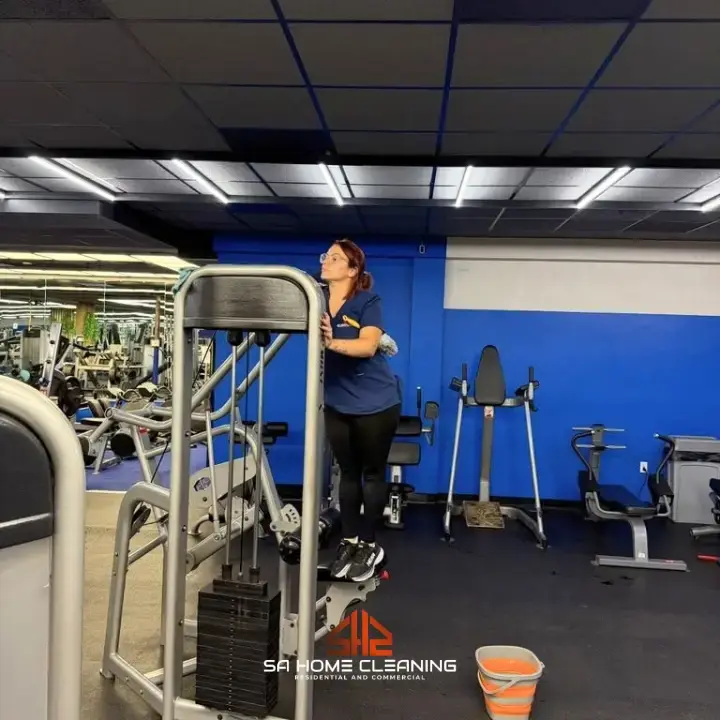
Every fall, life on Cape Cod moves indoors. The summer crowds thin out, windows close, and more of the day happens inside gyms, studios, offices, and shared workspaces. It’s also the time of year when respiratory viruses like the flu circulate most. According to the CDC, flu season in the U.S. usually runs through fall and winter, with activity most often peaking between December and February — which makes early fall the right moment to put a flu season cleaning checklist in place.
The flu spreads mainly through respiratory droplets, but the CDC notes that people can also pick it up, less often, by touching a surface that has the virus on it and then touching their mouth, nose, or eyes. No cleaning routine can guarantee that nobody gets sick — but regular, well-planned cleaning does reduce germs on the surfaces your members and employees share every day. This guide shows where to focus, how often, and when it makes sense to bring in a professional team.
Quick Answer: During flu season, gyms and offices should clean high-touch surfaces at least once a day, and gym equipment should be wiped down after every use. Clean first to remove dirt, then apply an EPA-registered disinfectant that lists influenza on its label, leaving it on the surface for the full contact time. Weekly and monthly deep cleaning takes care of the areas daily routines miss.
A space can look clean and still carry plenty of germs on its most-used surfaces. In fall and winter, a few things change at the same time:
Flu viruses don’t survive on surfaces indefinitely — CDC guidance notes they can remain infectious for a matter of hours. But in a well-used gym or office, the same handles and buttons are touched again and again throughout the day. That’s why flu season cleaning is less about one big scrub and more about consistency: the right surfaces, at the right frequency, with the right products.
Most cleaning routines cover floors, trash, and restrooms. The surfaces that get skipped are usually the small ones people touch without thinking:
A simple test: walk through your space the way a member or employee would — from the front door to the locker room or desk, and back out again. Every surface a hand touches along that path belongs on your daily list.
Gyms, yoga and Pilates studios, CrossFit boxes, and martial arts academies share the same challenge: sweat, skin contact, and lots of shared equipment. Here’s where to focus.
Tip: Member wipe-downs help, but they don’t replace a cleaning routine. Members wipe what they used; a scheduled cleaning covers everything else — including the surfaces nobody notices. Before using any disinfectant on upholstery or touchscreens, check the equipment manufacturer’s cleaning guidance to avoid damage.
From professional offices in Hyannis to real estate agencies, banks, and coworking spaces across the Cape and Plymouth, the same zones tend to collect the most touches.
Keeping soap, paper towels, tissues, and hand sanitizer stocked is part of the checklist too. The CDC’s healthy habits to prevent flu include washing hands often and covering coughs and sneezes — habits that are much easier when supplies are always within reach.
The two words are often used interchangeably, but the CDC defines them differently — and the order matters.
🧽 Cleaning uses soap or detergent to remove dirt, grime, and many germs from surfaces. It lowers the number of germs, but it doesn’t necessarily kill them.
🧪 Disinfecting uses chemical products to kill germs that remain on surfaces after cleaning.
✅ Sanitizing lowers germs to a level considered safe by public health standards, through either cleaning or disinfecting.
For disinfecting to do its job, a few rules apply:
It’s also worth knowing what you don’t need. CDC guidance for schools notes that special processes such as fumigation aren’t necessary to slow the spread of flu. Consistent attention to the right surfaces is what counts.
Use this flu season cleaning schedule as a starting point from fall through early spring, then adjust it to your foot traffic, class calendar, and office hours.
| Frequency | Gyms & Fitness Centers | Offices |
|---|---|---|
| After each use | Cardio handles and consoles, weights, benches, and shared mats | Hot desks, shared keyboards and headsets, and meeting tables between meetings |
| Daily | Locker rooms, showers, restrooms, front desk, door handles, water fountains, and floors | Door handles, light switches, elevator buttons, restrooms, break room counters and appliances, and trash |
| Weekly | Equipment frames and bases, mirrors, cubbies, locker interiors, and fan exteriors | Chairs and armrests, glass partitions, phones, appliance interiors, and full floor care |
| Monthly | Deep cleaning of locker room grout and drains, upholstery, rubber flooring, vents, and baseboards | Deep cleaning of carpets and upholstery, vents, baseboards, blinds, and behind furniture and appliances |
If someone goes home sick: clean and then disinfect the surfaces they used that day — their desk or equipment, plus nearby shared touchpoints. CDC guidance points to disinfecting, not just cleaning, in areas where someone has been ill.
Many small gyms and offices handle quick wipe-downs in-house. A professional commercial cleaning team makes sense when:
SA Home Cleaning is a licensed and insured cleaning company based in Hyannis. Our commercial cleaning services on Cape Cod follow a detailed checklist built around the surfaces people touch most, on a schedule that works around your hours. We care for offices, fitness studios, and other commercial spaces from Hyannis and Falmouth to Plymouth and the surrounding towns.
Want a cleaning plan built for your gym or office? Contact SA Home Cleaning for a free commercial cleaning estimate. We serve Hyannis, Falmouth, Plymouth, and all surrounding towns.
Shared equipment like handles, benches, and mats should be wiped down after each use. Locker rooms, restrooms, and front-desk surfaces should be cleaned and disinfected at least once a day, and during flu season many fitness centers add a midday pass on the most-used touchpoints. Weekly and monthly deep cleaning then takes care of upholstery, floors, and hard-to-reach areas.
Usually the ones touched by the most people: break room handles (coffee maker, refrigerator, microwave), faucet handles, shared keyboards and phones, door handles, elevator buttons, and conference room tables. They are often skipped by routines that focus on floors and trash.
No cleaning routine can guarantee that nobody gets sick, and the flu spreads mainly through respiratory droplets. What regular cleaning and disinfecting can do is reduce germs on the surfaces people share. The CDC recommends pairing it with other healthy habits, including a yearly flu vaccine, washing hands often, covering coughs and sneezes, and staying home when sick.
Look for an EPA-registered disinfectant that lists influenza on its label, and follow the directions exactly — especially the contact time. For electronics, gym upholstery, and specialty surfaces, check the manufacturer’s cleaning recommendations first.
Sources: CDC — How Flu Spreads · CDC — Flu Season · CDC — Healthy Habits to Prevent Flu · CDC — When and How to Clean and Disinfect a Facility · CDC — How to Clean and Disinfect Schools to Help Slow the Spread of Flu
Keep Reading
How often to clean, what’s included, what it costs and how to choose a company — a plain-English guide for Plymouth offices, medical practices and churches.
Insurance, references, products, and the questions that separate a dependable cleaning company from a risky one — a practical checklist for Cape Cod homeowners.
Weekly, biweekly, or monthly? Here’s exactly how to decide the right cleaning schedule for your Cape Cod home.
Request a Free Quote
Tell us a little about your space and we'll get back to you with a custom quote. Prefer to talk? Call anytime.